
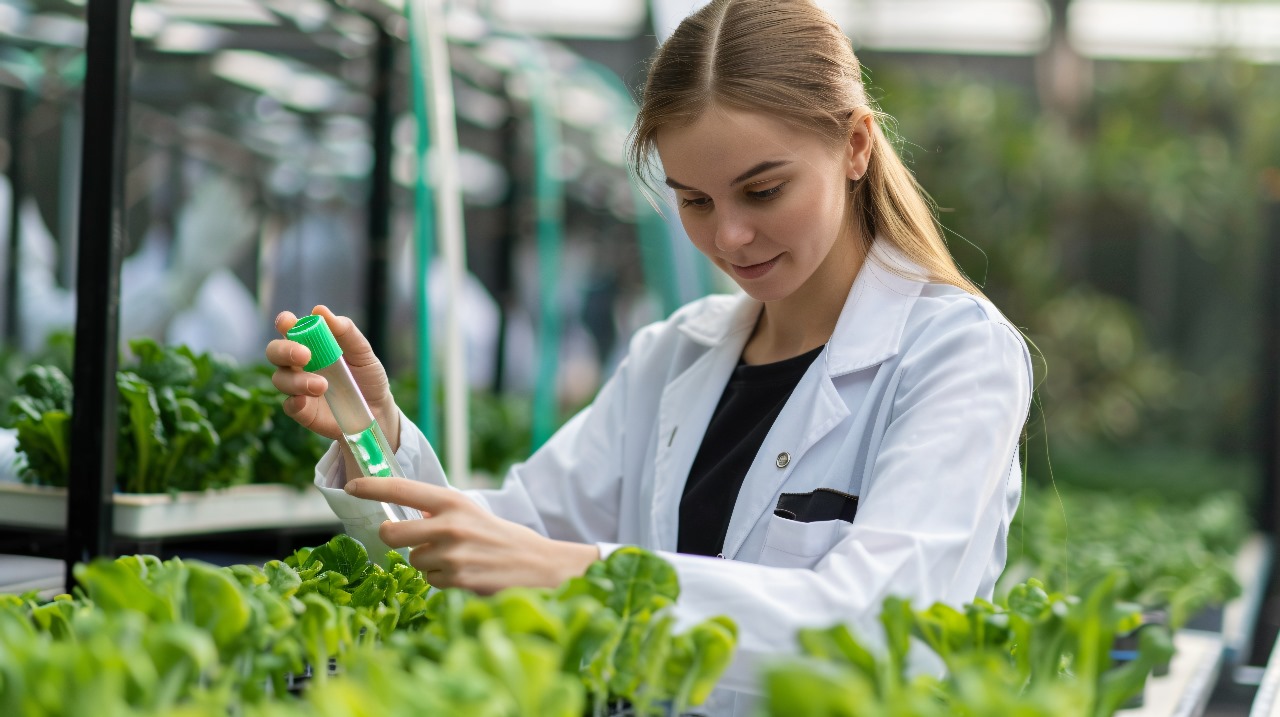
As the global nutraceutical landscape continues to evolve, 2025 marks a significant shift towards under-the-radar botanical ingredients that offer multifaceted health benefits. Among these, saffron, Andrographis, and amla are emerging as frontrunners, garnering attention for their roles in mood enhancement, immune support, and metabolic health. Their appeal is further amplified by advancements in sustainability practices and bioavailability optimization, aligning with the industry’s commitment to holistic wellness and environmental responsibility.
Saffron (Crocus sativus): A Golden Thread in Mood and Metabolic Health
Traditionally revered for its culinary and medicinal properties, saffron is now being recognized for its potent bioactive compounds—crocin, crocetin, and safranal. These constituents have demonstrated significant therapeutic potential:
- Mood Enhancement: Saffron’s compounds exhibit antidepressant and anxiolytic effects, positioning it as a natural alternative for mood regulation.
- Metabolic Benefits: Research indicates Saffron’s efficacy in addressing components of metabolic syndrome, including hypertension, hyperglycemia, obesity, and dyslipidemia.
- Antioxidant Properties: Saffron supplementation has been linked to reductions in oxidative stress markers, enhancing overall antioxidant capacity.
However, it’s noteworthy that crocins, the primary carotenoids in saffron, exhibit limited bioavailability due to poor absorption. Innovative delivery systems, such as encapsulation and advanced extraction techniques, are being explored to enhance their bio efficacy.
Andrographis (Andrographis paniculata): The Immunity Powerhouse
Andrographis, often termed the “King of Bitters,” has a longstanding history in traditional medicine for its immune-boosting properties. Its active compound, andrographolide, is renowned for:
- Immune Modulation: Enhancing the body’s defense mechanisms against pathogens.
- Anti-inflammatory Effects: Reducing inflammation, which is pivotal in managing chronic diseases.
- Antiviral Activity: Demonstrating efficacy against various viral infections, making it an asset in immune health formulations.
The integration of andrographis into nutraceuticals is facilitated by its adaptability to various delivery formats, including tablets, capsules, and teas.
Amla (Phyllanthus emblica): The Antioxidant-Rich Superfruit
Amla, or Indian gooseberry, is celebrated for its high vitamin C content and a plethora of antioxidants like polyphenols and flavonoids. Its health benefits encompass:
- Cardiovascular Health: Amla supplementation has been associated with improved lipid profiles, aiding in heart health.
- Glycemic Control: The fruit’s compounds assist in managing blood sugar levels, offering support for individuals with diabetes.
- Digestive Wellness: Amla’s anti-inflammatory properties can alleviate gastrointestinal issues, promoting digestive health.
Its versatility allows for incorporation into various products, from powders and juices to capsules, catering to diverse consumer preferences.
Embracing Sustainability and Enhancing Bioavailability
The nutraceutical industry’s pivot towards sustainability is evident in the cultivation and processing of these botanicals:
- Saffron: Efforts are underway to utilize the entire plant, including floral bio residues like tepals and stamens, which are rich in antioxidants such as kaempferol glycosides.
- Advanced Extraction Techniques: Methods like supercritical fluid extraction (SC-CO2) and microwave-assisted extraction (MAE) are being employed to maximize yield and purity of bioactive compounds, ensuring both efficacy and environmental responsibility.
- Encapsulation Technologies: To address bioavailability challenges, especially with compounds like crocins, encapsulation methods are being developed to enhance absorption and stability.
Conclusion
The ascent of botanicals like saffron, Andrographis, and amla in the B2B nutraceutical sector underscores a broader shift towards holistic, sustainable, and efficacious health solutions. As research continues to unveil their multifaceted benefits and innovative delivery systems enhance their bioavailability, these ingredients are poised to redefine the contours of plant-based wellness in 2025 and beyond.
References
- https://www.mdpi.com/2223-7747/13/11/1467
- https://www.mdpi.com/2223-7747/13/11/1467
- https://pubmed.ncbi.nlm.nih.gov/29136374/
- https://research.pingminghealth.com/article/2938
- https://www.mdpi.com/1420-3049/23/1/30
- https://www.health.com/amla-benefits-8701119
- https://www.mdpi.com/1420-3049/24/15/2827
- https://www.researchgate.net/publication/359320665_Bioactive_constituents_of_saffron_plant_Extraction_Encapsulation_and_their_Food_and_pharmaceutical_applications
- https://pmc.ncbi.nlm.nih.gov/articles/PMC6696252/